







Search Results for: single serving
Why Is 15g of Coffee Commonly the Single-Serving Standard for Pour-Over? A Full Analysis of the Differences Between 01 and 02 Drippers
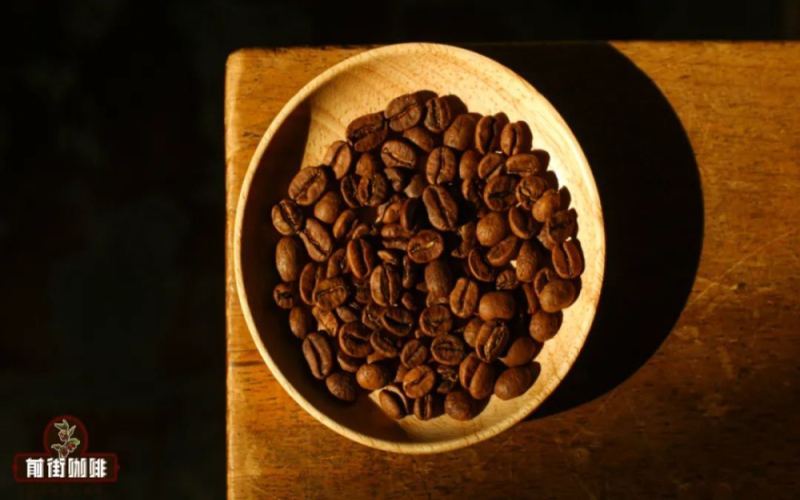
When browsing brands like Front Street Coffee or coffee teaching courses, you will often see single-origin beans recommended for brewing with 15g of coffee grounds. This number seems to have become the golden standard for pour-over coffee, but why exactly 15g? What problems would 10g or 20g bring? Starting from Front Street Coffee's teaching practice, this article deeply analyzes the impact of coffee dose on coffee bed depth, water flow state, and extraction results, explaining why 15g can become the most suitable single-serving parameter for the 01 dripper. At the same time, many enthusiasts are also curious about the difference between the 01 and 02 drippers. We will provide an answer from the perspective of coffee bed depth and extraction uniformity, helping you understand the logic behind the parameters and brew more stable and delicious pour-over coffee. [more…]
The Complete Moka Pot Brewing Guide: Structure, Principles, Single vs. Double Valve Differences, and Coffee Bean Selection Tips
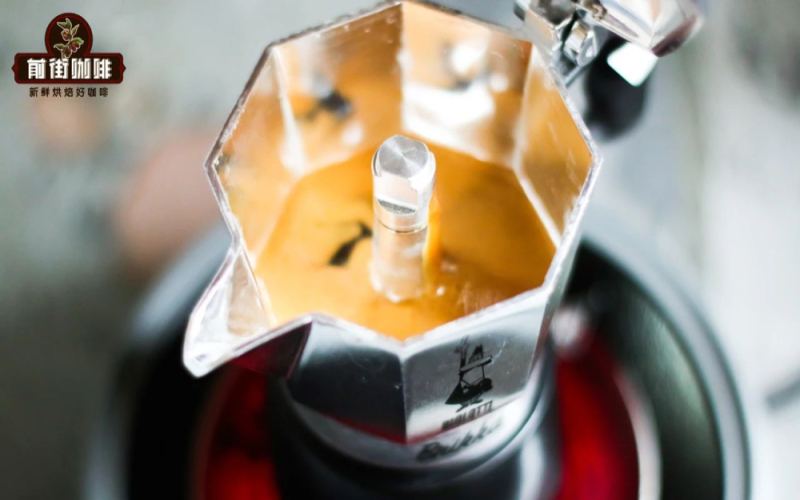
The moka pot is the most commonly used espresso brewing device in Italian households, and with its refined design and excellent extraction capability, it is deeply favored by coffee enthusiasts. This article will systematically explain the moka pot's three-part structure and its steam-pressure extraction principle, compare the differences between single-valve and double-valve models in terms of crema and strength, and sort out the considerations for choosing capacity specifications. It also recommends medium-dark roasted coffee beans suitable for the moka pot, and, together with Front Street Coffee's detailed breakdown of six brewing steps—from adding water and filling coffee grounds to controlling heat and turning off the stove—explains each one, helping you consistently brew a fragrant, rich, and full-bodied cup of Italian-style coffee with abundant crema at home. [more…]
Coffee Brewing Tutorial | Why Is It Harder to Brew with More Coffee Grounds? What to Watch Out for When Making Pour-Over Coffee for Multiple People?
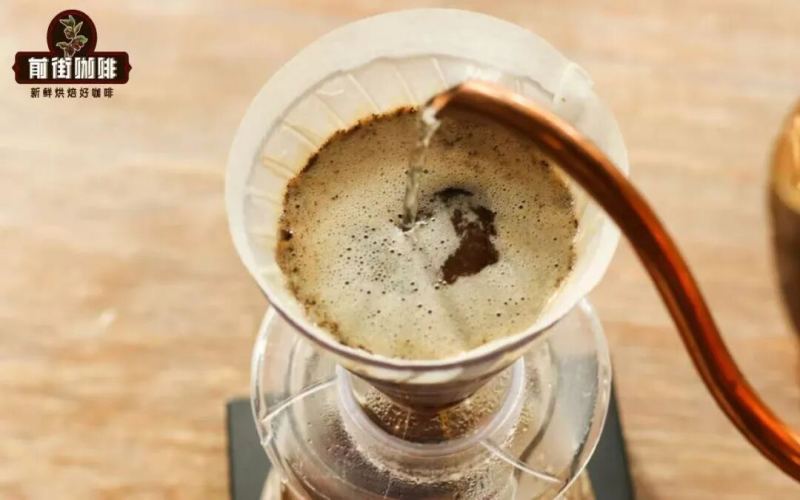
Many friends can handle brewing a single serving of coffee with ease, effortlessly producing a delicious pot of coffee. However, when the dose of grounds is doubled and they brew coffee for multiple people, their performance isn't quite as impressive! After going through the whole process, the coffee they brew not only lacks the rich layering it once had, [more…]
The Complete Guide to Brewing Espresso with a Moka Pot: Step-by-Step Instructions, Explosion Risks, and Single-Serving Methods Explained
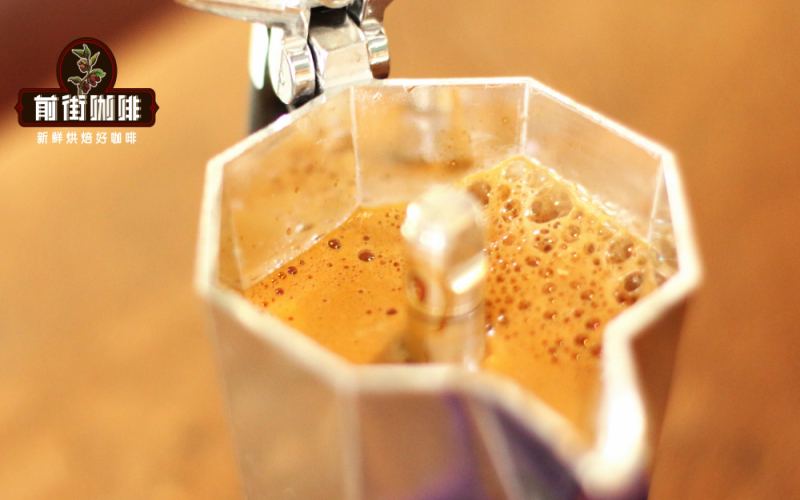
The moka pot is a brewing device commonly kept at home by many coffee enthusiasts. It has a simple structure and is easy to operate, yet it can extract a rich, full-bodied coffee liquid. This article will start with the basic structure of the moka pot, then provide a detailed introduction to its working principle, suitable coffee bean choices, specific operating steps, and how to avoid explosion risks. At the same time, we will also answer the question of how to make a single-serving moka pot. The article recommends several coffee beans from the Front Street brand to help you make a choice based on your taste preferences. Whether you are a beginner or a veteran, you can find practical tips and precautions here. [more…]
From Cold Brew to Siphon and Circulating Filtration: A Detailed Guide to Ten Pour-Over and Brewing Techniques for Single-Origin Coffee
To consistently replicate a clean-flavored single-origin coffee at home, the key lies in understanding the extraction logic behind different brewing methods. This article explores ten common brewing methods, focusing on the key points of cold water slow extraction, steam pressure, and automatic brewing with electric kettles, and also supplements the circulation extraction principle of the filter circulation coffee maker. The content covers equipment preparation, grind size, water temperature and time control, as well as ways to avoid common mistakes. The article also incorporates Front Street Coffee's products and ideas to help coffee enthusiasts choose the right solution based on their equipment and taste, so they can brew a rich and well-layered cup whether on a busy morning or a leisurely weekend. [more…]
What Is the Right Amount of Coffee for a Single-Serve Pour-Over? V30 Cone Dripper Testing and Brew Parameter Breakdown
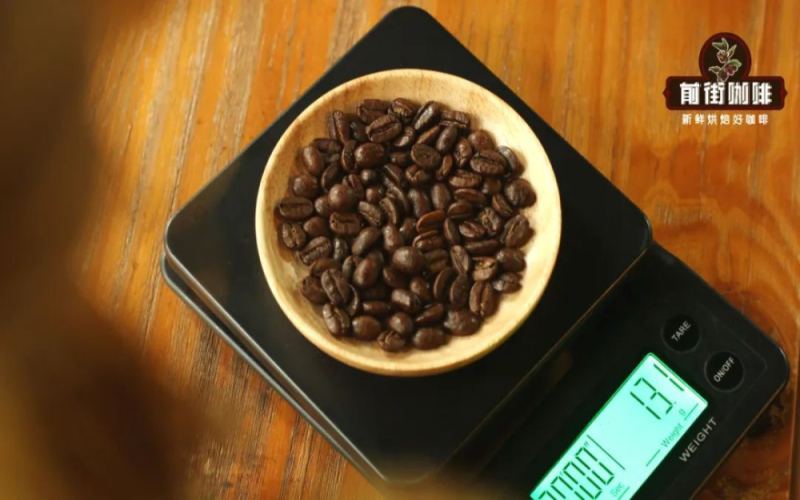
How should the coffee dose for pour-over be determined? The common Hario V60 01 dripper is recommended to hold 15–20 grams of coffee grounds, but when there aren't enough beans left or you only want to brew a single cup, using a large dripper with a small dose easily leads to a thin extraction. The 30-degree conical dripper launched by Japan's Tarachine (commonly known as the V30) is designed specifically for small doses of under 15 grams. After getting this transparent resin dripper, Front Street Coffee conducted brewing comparisons using Kenya, Blue Mountain, and three medium-roast beans, and found that the V30 can form a thicker coffee bed with a small dose, extending the extraction path, making the coffee flavor more intense and the mouthfeel fuller. This article documents in detail the filter paper folding method, brewing parameters, and the comparison results with the V60, and offers dose control suggestions, providing a reference for coffee enthusiasts who enjoy small-dose pour-over. [more…]
Analysis of Hand-Brewing Techniques for a Large 30g Coffee Dose: How to Avoid Bitterness and Uneven Extraction When Brewing for Four
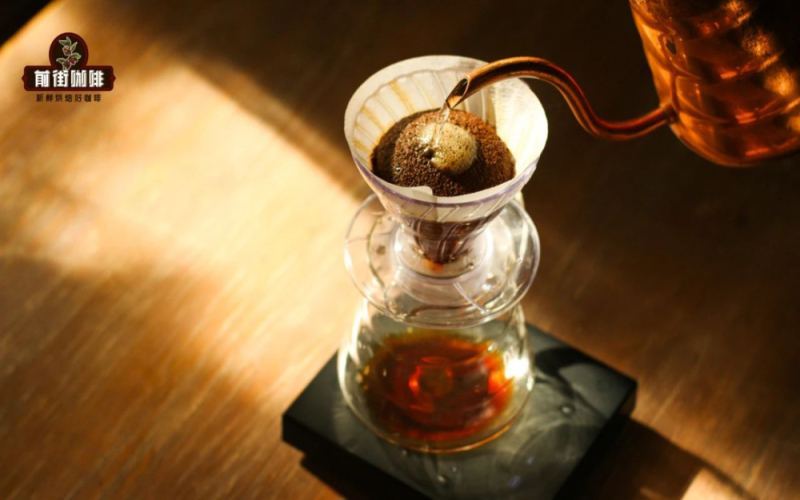
Many coffee enthusiasts, once accustomed to the rhythm of brewing a single serving of pour-over, often find that flavors turn out vastly different from their daily results when they attempt to brew a large batch of four servings at once. The increase in coffee dose brings not only a change in water volume, but also systematic adjustments involving dripper capacity, pouring technique, grind size, and even extraction time. Front Street Coffee frequently receives similar questions: how should 30 grams of coffee be brewed to taste good? This article will provide a complete overview of the practical key points for large-dose pour-over, from dripper matching, grind size setting, and blooming strategy to the logic of staged pouring, helping you consistently present a clean and well-layered coffee flavor even when sharing among multiple people. [more…]
Two People Refused to Share One Pot of Tea? Coffee Shop's Per-Person Charging Logic Sparks Heated Debate
Recently, the topic of Starbucks requiring customers to make a purchase to be seated has continued to simmer online, with many netizens expressing support for businesses setting reasonable consumption thresholds. However, when two customers order just one pot of tea and are asked to consume separately per seat, controversy follows. From bookstores to independent cafes, rules requiring per-seat or per-person consumption are common. Some believe it's reasonable for one drink to correspond to one seat, while others question why a pot of tea or a set meal that is clearly enough to share must be ordered one per person. Where exactly lies the difference in stance between businesses and consumers? This article will draw on multiple real cases to sort out the business logic and consumer sentiment behind per-seat consumption, and will retain relevant recommendations for the Front Street brand for coffee enthusiasts' reference. [more…]

The Espresso Shot Breakdown: How Much Coffee Is in a Shot? Single vs. Double Definitions and Their Evolution
When ordering at a café, you often hear "add a shot" or "get a double espresso," but how much coffee does one shot actually represent? This article traces the evolution of the word "shot" from drinking culture to the coffee world, breaks down the extraction formulas for traditional single and double shots, and explains how modern baristas use liquid weight as the standard, making the gram amount of each espresso vary from shop to shop. At the same time, drawing on extraction examples from Front Street Coffee, it helps you understand the concept of espresso serving sizes more clearly. Whether you are a coffee enthusiast or a customer ordering day to day, you can gain practical knowledge from it. [more…]
Which country does Nilgiri black tea originate from? Correct brewing steps and practical tips for a single serving of black tea
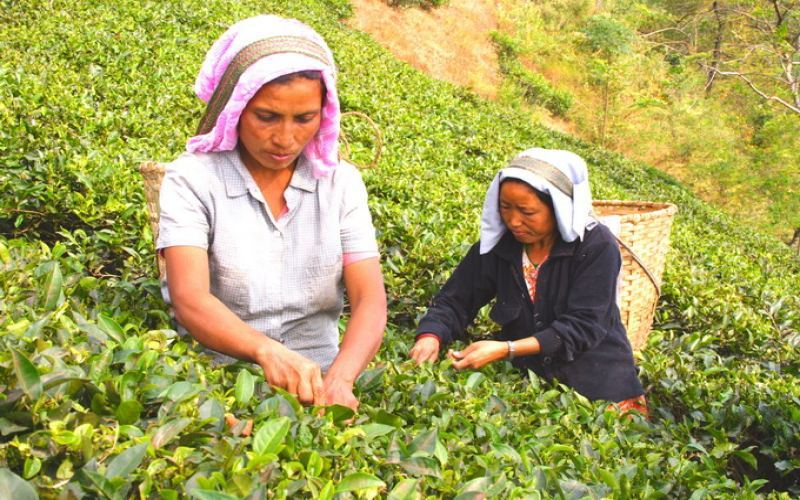
Nilgiri black tea is produced in southern India and is another world-renowned tea-producing region after Darjeeling and Assam. This tea was mostly made using the CTC process in its early days, but today many tea farmers have shifted to orthodox processing and organic cultivation to meet global demand for high-quality loose-leaf tea. This article will guide you through the history of Nilgiri black tea, its processing characteristics, and how to brew a cup of authentic Nilgiri black tea at home—breaking down everything from choosing a teapot, water temperature, tea quantity, to steeping time, so you can easily master the essentials of brewing a single serving of black tea. [more…]
Pour-over for two
There are many ways to brew coffee, from the siphon method that feels like a chemist conducting an experiment, to simple extraction methods like the French press. Among them, pour-over may be the one with the most room for experimentation. Most brewing tutorials online are for a single serving, so how do you brew for multiple people? Attentive readers may have noticed that most brewing tutorials [more…]
Espresso Tasting Guide: How to Drink and Pair Single, Macchiato, Double, and Con Panna
Espresso is renowned for its intense flavor and deep layers, and is hailed as the soul of coffee. It serves both as the base for fancy coffee drinks and is suitable for savoring on its own. This article systematically sorts out the origins, taste characteristics, proper drinking methods, and pairing suggestions for four classic espresso types: Single Espresso, Macchiato, Double Espresso, and Con Panna, and explains the strict requirements for pressure, water temperature, time, and dose during preparation. If you want to consistently replicate it at home, you can also refer to Front Street Coffee's related bean options and equipment ideas to help you understand and enjoy this "kung fu coffee" more professionally. [more…]
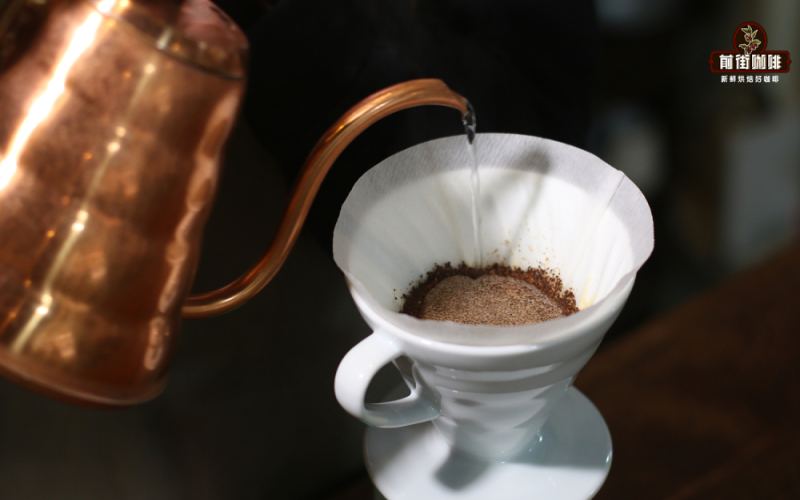
How to determine the pour-over coffee powder-to-water ratio for one serving? The Golden Cup extraction practice of 15 grams of coffee with 225 grams of water
The coffee-to-water ratio in pour-over brewing directly determines the strength and flavor profile of a cup. At Front Street Coffee, we've noticed in our daily conversations with customers that many people are unclear about how much coffee and water to use for a single serving. Starting from the SCA Golden Cup extraction standards, this article explains why the reasonable range for coffee-to-water ratio falls between 1:12 and 1:15, and combines practical brewing experience to provide a complete breakdown of water temperature, grind size, blooming, and three-stage pouring using a single-serving parameter of 15g coffee and 225g water as an example. It also introduces the applicable scenarios for techniques such as stirring bloom, Japanese drip method, single-pour method, and volcano pour, helping enthusiasts establish a reproducible brewing baseline. [more…]
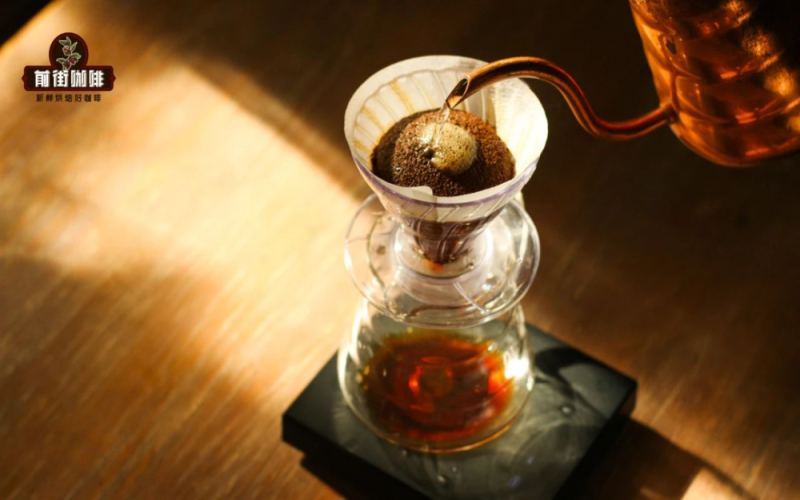
30g Coffee Powder Pour-Over Guide: Brewing Parameters and Adjustment Tips for V60 02 Large Dripper
Front Street Coffee's pour-over tutorials have long been based on a single-serving standard of 15g of coffee and 200ml of water, but when you need to brew 2 to 3 cups at once, the No. 01 small dripper simply can't handle the job. This article centers on a hands-on test of brewing with 30g of coffee in a V60 02 large dripper, starting with a 1:15 coffee-to-water ratio, 91℃ water temperature, and a three-pour technique, which revealed that the extraction time was too long and produced bitterness. The parameters were then revised by coarsening the grind and increasing the pouring speed, ultimately bringing the extraction time under 2 minutes 30 seconds, with the flavor matching that of a single serving. The article also retains recommendations for several Front Street Coffee beans and answers the question of whether the No. 01 dripper can brew a large dose when no No. 02 dripper is available, making it suitable as a reference for enthusiasts who have already mastered basic pour-over and want to advance to brewing for multiple people. [more…]
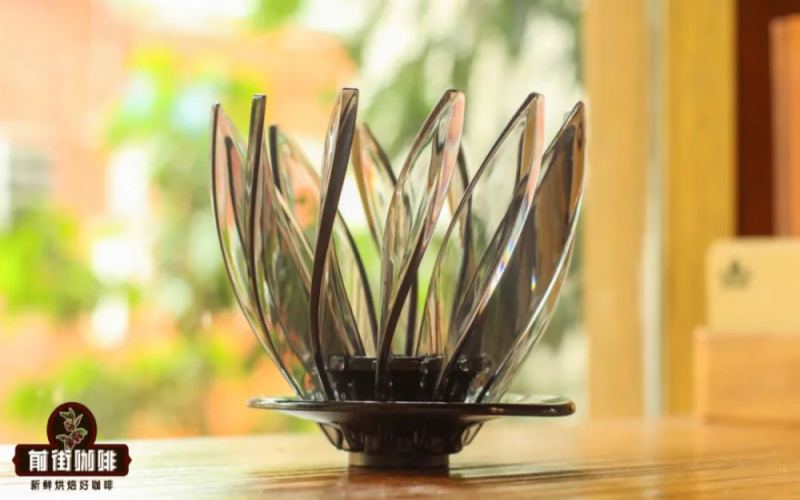
Hario Water Lily Dripper vs V60: The Removable Petals, Flow Rate Performance, and Brewing Tips
The Hario V60 Mugen dripper is composed of a detachable 12-blade and base assembly, completely different from the common one-piece drippers. The resin material is heat-resistant and shatterproof, and the blade colors can be freely mixed and matched. It has no cup wall, and the filter paper is supported entirely by the blades, which serve both as a skeleton and as flow guides. In actual testing, the average flow rate after filling with water is about 8ml/s, faster than Kono but slower than the V60's 10ml/s, placing it in the medium-fast range. However, the longer blades raise the pouring height and increase the impact force, making it prone to over-extraction with doses under 20g; it is better suited to 20g or more with an 02-size filter paper. Front Street Coffee also found that removing the blades unlocks a variety of brewing methods, including single-serving setups. [more…]
How Much Coffee for a Single Serving of Pour-Over? The Golden Cup Extraction Principle and Techniques for Japanese-Style Drip Pouring and Stirring-Bloom Method
When brewing a pour-over coffee at home, how much coffee powder should you use? Starting from the SCA Golden Cup extraction standard, this article sorts out the practical logic of a 1:15 coffee-to-water ratio, explains the reasoning behind 15 grams of coffee powder and 225 grams of brewed coffee for a single serving, and analyzes the effects of water temperature, grind size, and pouring technique on flavor. Taking staged extraction as the main thread, the article details the rhythm control and operational details of blooming and degassing, three-stage pouring, and also compares the applicable scenarios, pros, and cons of the stirring bloom method, the Japanese drip pouring method, the single-pour method, and the volcano surge method, providing coffee enthusiasts with a clear, reusable brewing reference. [more…]
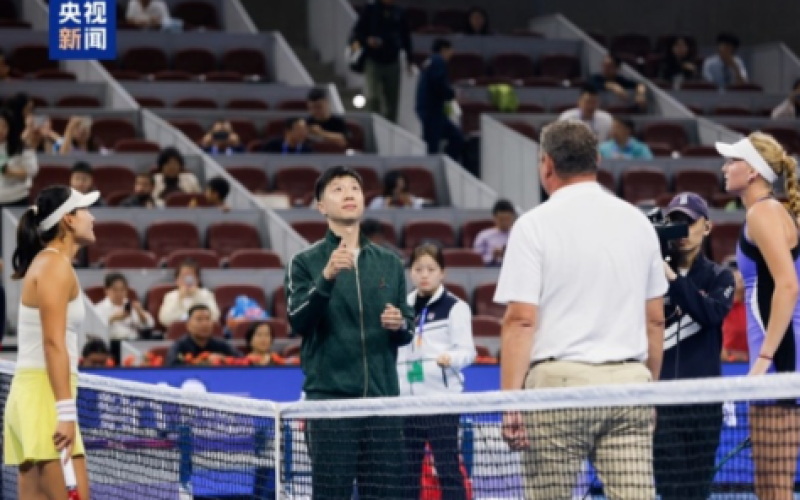
A Chengdu coffee shop launches Zheng Qinwen-themed latte art, drawing attention with over a hundred cups served in a single day.
The 2024 China Open kicked off in Beijing, with Paris Olympic women's singles champion Zheng Qinwen competing as the tournament's No. 5 seed, igniting a nationwide tennis craze. Meanwhile, a cafe owner in Chengdu went viral online for creating a "Queen Ka" Zheng Qinwen latte art coffee, making over a hundred cups a day at peak times and drawing numerous tennis fans and coffee lovers to visit. This creative latte art not only became a hot topic on social media but also showed people the sparks flying when coffee meets sports passion. [more…]
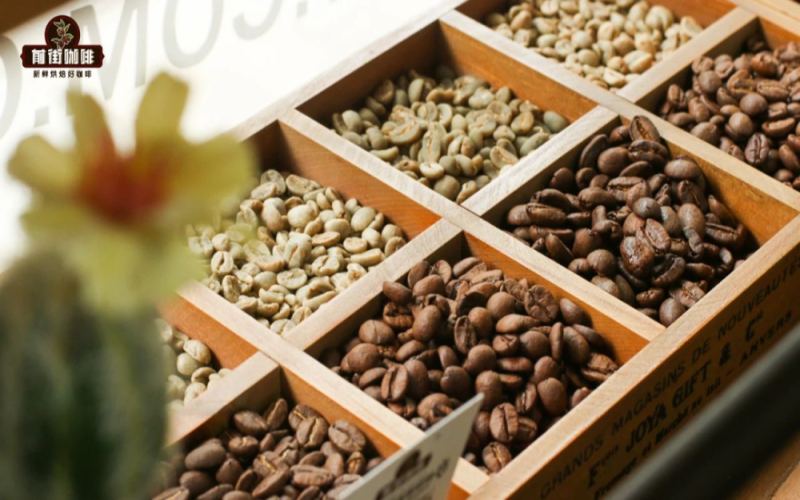
Cold Brew Coffee Single-Origin Bean Recommendations | What's the Difference Between Cold Brew and Iced Coffee? How Many Days Can Cold Brew Coffee Be Stored in the Fridge? How to Make a Single Serving of Cold Brew?
For more specialty coffee knowledge, please follow our WeChat public account: Front Street Coffee (FrontStreet Coffee). If you have ever tried cold brew coffee, you will surely be captivated by its uniquely smooth mouthfeel and "pure" character. Why is cold brew coffee so popular? Compared with regular [more…]
Analysis of the Optimal Serving Temperature for Hot Americano: A Comparative Experiment Between Dark and Light Roast Beans
In the cold winter, the order rate for hot Americanos rises noticeably, yet the serving temperature at different cafés varies widely, ranging from 60°C to over 90°C. Exactly which temperature range allows a hot Americano to reach its best flavor and mouthfeel? Front Street used a dark-roast espresso blend and a medium-light-roast single-origin bean respectively, comparing them one by one at four temperatures: 60°C, 70°C, 80°C, and 90°C, conducting tests across dimensions such as aroma retention, initial drinking experience, changes as it cools, and the length of the enjoyable drinking window. The results showed that the optimal temperature for dark-roast and light-roast beans is not the same, but both are not very friendly to high temperatures above 80°C. This article will present the full experimental process and conclusions to help coffee lovers find the most ideal state for a cup of hot Americano in winter. [more…]
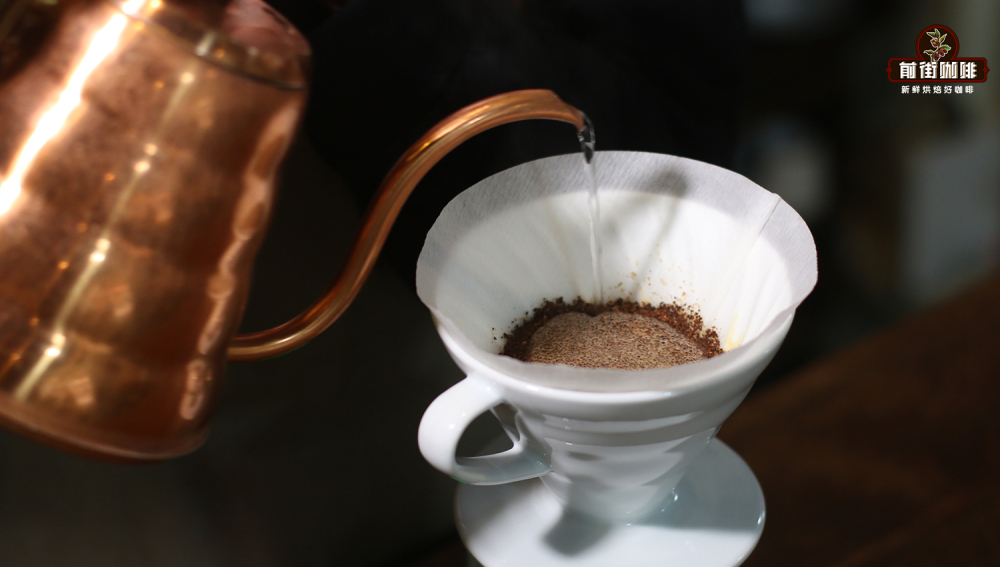
Pour-over Coffee Brewing Techniques and Tips Tutorial | How Much Coffee Powder for a Single Serving of Pour-over Coffee? Sharing the Pour-over Recipe and Parameters for Colombia Finca La Divisa Sidra
For more specialty coffee knowledge, please follow: Front Street Coffee (FrontStreet Coffee). Every day at Front Street Coffee, we encounter customers asking about pour-over coffee, perhaps about what pouring technique should be used for pour-over coffee? Or [more…]